

What Clean Water Actually Changes — Beyond the Obvious
How Clean Water Reduces Health Barriers for Displaced Families
Waterborne illnesses are a significant challenge for displaced families, often disrupting schooling for children and limiting adults’ ability to work. Contaminated water carries pathogens that cause diseases such as cholera, dysentery, and typhoid, which can lead to severe illness and even death. When children fall sick frequently, they miss out on education, and adults unable to work due to illness struggle to provide for their families. Access to clean water helps prevent these health issues and supports greater attendance at school and participation in the workforce. By reducing the incidence of waterborne diseases, clean water plays a crucial role in maintaining the stability and productivity of displaced communities.
The Hidden Costs of Accessing Water
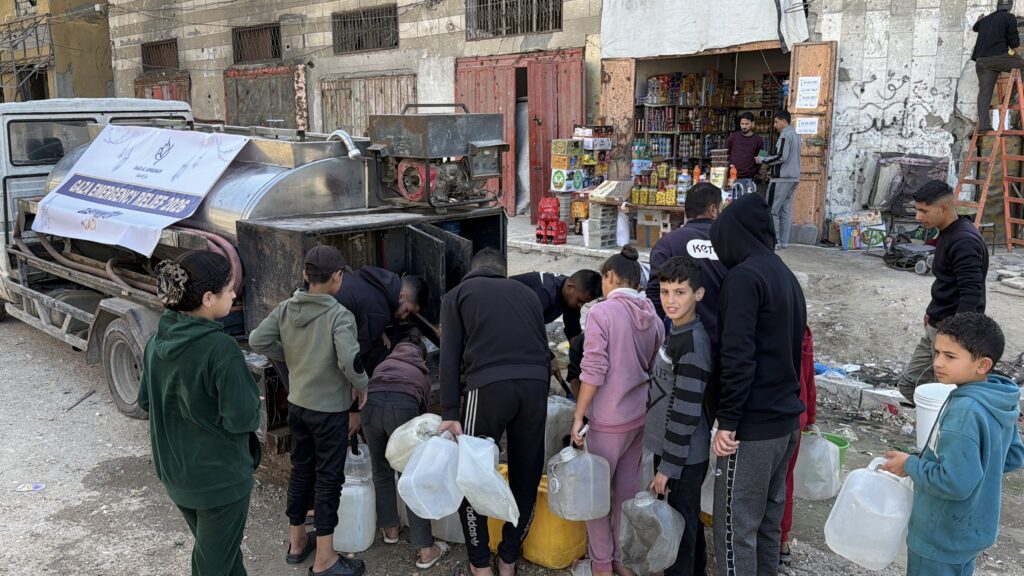
For many displaced families, water is not just a tap away. They often spend several hours daily either walking long distances to collect water or standing in crowded queues for limited supplies. This time spent on water collection represents a hidden cost, reducing the availability of time for education, income-generating activities, and resting. By providing accessible sources of clean water closer to home, families reclaim significant time. This freed-up time can then be redirected to schooling, work, or other daily necessities, enhancing overall quality of life. The burden of water collection often falls disproportionately on women and children, so clean water access also supports gender equity and child welfare.
Clean Water’s Role in Home and Infant Care
Access to clean water improves hygiene practices, which are essential in displacement settings where disease transmission risk is high. Proper hygiene helps prevent infections and supports the health of all family members, particularly infants and young children who are most vulnerable. Clean water also enhances cooking safety by reducing contamination risks and allows for safe preparation of infant formula and complementary foods. This contributes to better nutrition and health outcomes for infants, lowering mortality rates and promoting healthy growth. The availability of clean water supports healthier environments within the home, reinforcing overall family wellbeing.
What a Clean Water Project Provides Beyond the Tap
Water projects do more than just install infrastructure. They involve careful planning, community training, and ongoing maintenance to ensure sustainable access. Infrastructure may include wells, pumps, storage tanks, and distribution systems designed to meet the specific needs of the community. Beyond the hardware, community members are often trained to manage and repair systems, fostering ownership and long-term functionality. The ripple effects of these projects extend to social and economic dimensions, strengthening community resilience. Clean water access encourages better health, enabling education and economic activities that uplift displaced populations and build a foundation for recovery and stability.
