

Presence Over Project Numbers— Why Reaching the Same Families Matters
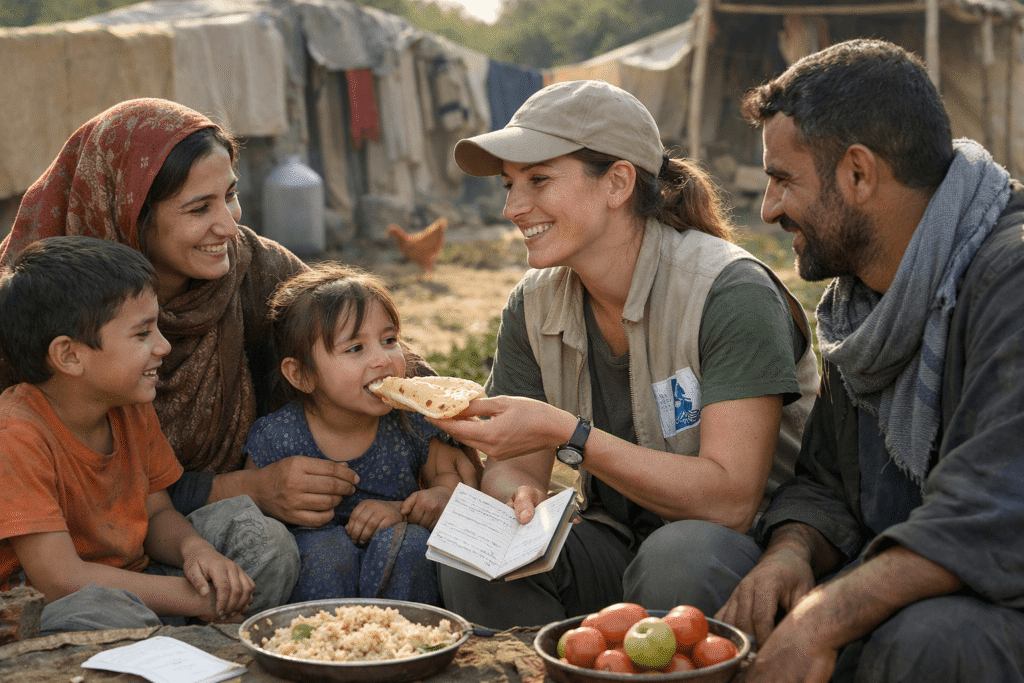
Understanding the Value of Repeated Engagement
Repeated engagement with the same families is essential for humanitarian efforts aiming to make a real, lasting difference. When aid providers maintain consistent contact over time, they gain a clearer understanding of the families’ evolving needs. Initial encounters often reveal urgent and visible problems, but ongoing relationships shed light on deeper, more complex challenges that may not be immediately apparent. For example, a family’s situation might seem stable after receiving immediate aid, but new hardships such as health issues, financial pressures, or changes in household dynamics may emerge over weeks or months.
Repeated engagement allows those providing aid to adapt and respond more accurately to these shifting needs, rather than offering one-size-fits-all solutions. It reveals patterns that can guide better planning, such as recognising chronic versus temporary needs and the interplay of different factors affecting families’ wellbeing. This approach respects the dignity and circumstances of those receiving help by acknowledging that their needs are nuanced and may change over time.
Building Trust Through Ongoing Relationships
Trust is a critical component in effective humanitarian work, especially in regions affected by conflict or hardship. Families are more likely to communicate openly and share their actual needs when they trust those offering support. Trust does not develop overnight; it requires repeated, respectful interactions that demonstrate reliability and empathy.
Ongoing relationships help break down barriers related to fear, stigma, or past negative experiences with aid systems. When families trust aid workers, they are more likely to seek assistance proactively and provide honest information that can improve the quality of support. This transparency enhances access to services and ensures aid is directed where it is genuinely needed. Trust also helps in overcoming cultural or language barriers, as familiarity fosters better understanding.
Continuity as a Key to Supporting Vulnerable Households
Vulnerable households often face long-term challenges that do not resolve with a single intervention. These may include chronic poverty, health problems, or ongoing displacement. Continuity in assistance—through regular check-ins and sustained support—helps ensure families do not fall through the cracks.
By maintaining a steady presence, aid providers can track progress, monitor setbacks, and provide supplementary support when necessary. This continuity is especially important for households dealing with multiple, intersecting vulnerabilities where solutions require more than temporary relief. A continuous relationship also supports psychological wellbeing, providing families with reassurance that they are not forgotten.
Moving Beyond One-Time Assistance
While it may be tempting to focus on reaching as many families as possible with one-off aid, sustained engagement has consistently shown greater impact. One-time assistance can address immediate crises but often fails to promote lasting stability or empowerment. Without follow-up, families may face recurring difficulties that remain unaddressed.
Consistency in aid efforts prioritises quality of support over quantity. It allows organizations and helpers to build a detailed understanding of each family’s unique circumstances while providing tailored assistance. This approach is more effective in the long term as it fosters stronger relationships, better resource allocation, and improved outcomes for those served.
In humanitarian contexts, especially in war-torn or crisis-affected areas, presence matters most. It builds the foundation for meaningful change by centering ongoing care and trust, ultimately benefiting the families who rely on sustained support to rebuild their lives.
