

When Mothers Become the Only Line of Defence — Widows Leading Families in Crisis
The Impact of Losing a Spouse on Family Stability
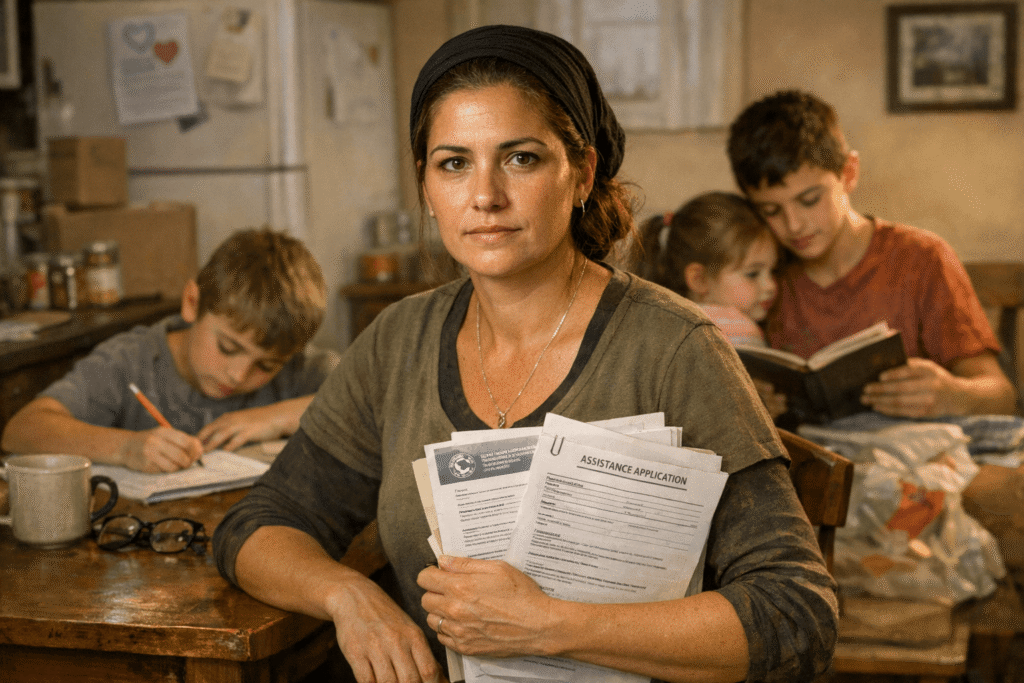
The loss of a husband profoundly reshapes the stability of a family, particularly affecting income, protection, and access to aid. Traditionally, the husband often serves as the primary breadwinner and protector. When he passes, families abruptly lose a significant source of income, making everyday survival a struggle. Widowed mothers may face immediate financial insecurity as income streams dry up or become uncertain.
Access to support systems also changes dramatically. Many humanitarian aid programmes, especially in displacement or conflict settings, register families according to male headship. Losing a spouse can make it difficult for widows to prove their family’s status, resulting in delays or denial of aid when proof of relationship, identity, or residency is required. This systemic challenge limits widows’ ability to secure necessary assistance for their households.
The Role of Widowed Mothers as Sole Caregivers and Leaders
In crisis settings, these women show remarkable resilience and strength, balancing childcare with earning an income, often under harsh conditions. The emotional and practical burdens combined create a constant strain, yet many widows demonstrate profound leadership in keeping their families intact and moving forward.
Barriers Widows Face in Accessing Aid and Support
Widowed mothers confront numerous obstacles in receiving aid, with cultural restrictions frequently limiting their mobility and interaction outside the home. In some communities, widows face social stigma or familial oversight, which can affect their ability to seek help independently.
Documentation is often a hurdle. Widows may lack identity papers or proof of family relationships, which are critical for aid registration. Displacement contexts complicate this issue further, with lost documents and disrupted civil systems making access even more difficult. These challenges create structural barriers that can delay or prevent widows from receiving aid tailored to their family’s needs.
Strengthening Families Through Targeted Support for Widows
Providing targeted support for widowed mothers strengthens entire households and contributes to community resilience. Aid programmes designed with widows in mind not only address financial needs but also offer psychosocial support, legal assistance, and help with documentation. These services empower widows to regain stability and improve their families’ wellbeing.
A brief Islamic perspective underscores the dignity and respect owed to widows. Islamic teachings emphasize care and support for widows, acknowledging their vulnerability without diminishing their strength or role within the family. Following the example of Prophet Muhammad (Peace Be Upon Him), communities are encouraged to assist widows with compassion and practical aid, highlighting the importance of safeguarding their rights and supporting their leadership within the family.
