

What Happens After the Headlines Fade — Sudan’s Forgotten Crisis
The Current Humanitarian Situation in Sudan
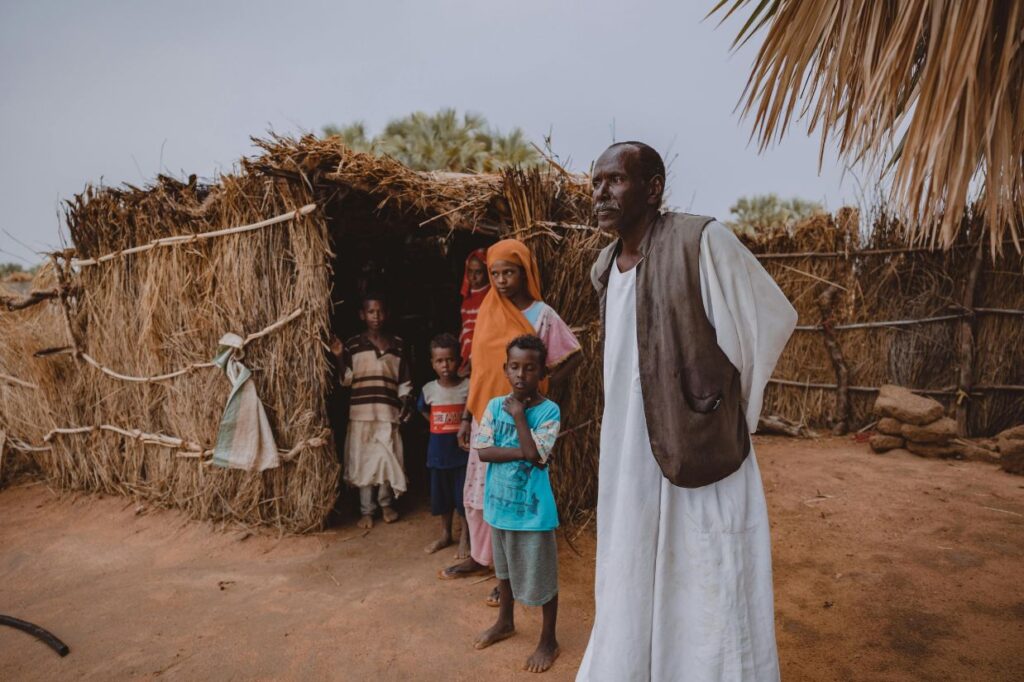
Despite a significant reduction in international media coverage, the humanitarian crisis in Sudan persists with urgency. Civilians continue to face displacement on a large scale, with hundreds of thousands uprooted from their homes, seeking safety amid ongoing conflict. Hunger remains a pressing concern, as many families struggle to access sufficient food. Violence has not abated, with reports of widespread abuses, including sexual violence, contributing to the daily hardships endured by the population. The reality in Sudan today is one of repeated suffering and precarious living conditions, far beyond what headlines convey.
Impact of Decreased Media Attention on Aid and Funding
Reduced media focus has contributed to what humanitarian officials describe as donor fatigue — a decline in public and institutional willingness to provide funding for Sudan’s urgent needs. When the crisis falls out of the headlines, fewer resources are allocated, creating critical funding gaps. These shortfalls directly affect the ability of aid organisations to respond effectively. Without sustained support, programmes addressing food insecurity, shelter, healthcare, and protection services are severely limited, leaving vulnerable communities at heightened risk.
Daily Life for Families Trapped in Conflict Zones
Families remaining in conflict-affected areas face daily challenges securing basic necessities. Access to clean water is limited or non-existent, increasing the risk of illness. Food insecurity forces many to ration what little they have, with children particularly vulnerable to malnutrition. Health facilities are often overwhelmed or inaccessible. Education for children is disrupted, and psychological trauma from constant insecurity compounds the hardship. Movement is restricted due to active fighting, trapping people in unsafe environments with little recourse for escape or relief.
Challenges in Delivering Humanitarian Aid
Humanitarian organisations operating in Sudan confront numerous obstacles. Access to affected populations is frequently obstructed by insecurity, checkpoints, and unstable frontlines. Logistics are complicated by damaged infrastructure and seasonal weather conditions that hamper transport routes. Security concerns pose risks to aid workers, sometimes leading to the suspension of operations for their safety. These factors combine to delay and limit the delivery of essential supplies and services, contributing to ongoing gaps in humanitarian assistance.
The situation in Sudan demands continued attention and support to address the needs of displaced and vulnerable populations. Despite reduced headlines, the crisis remains severe and complex.
