

The First 1,000 Days — Why Milk and Nutrition for Newborns Cannot Wait
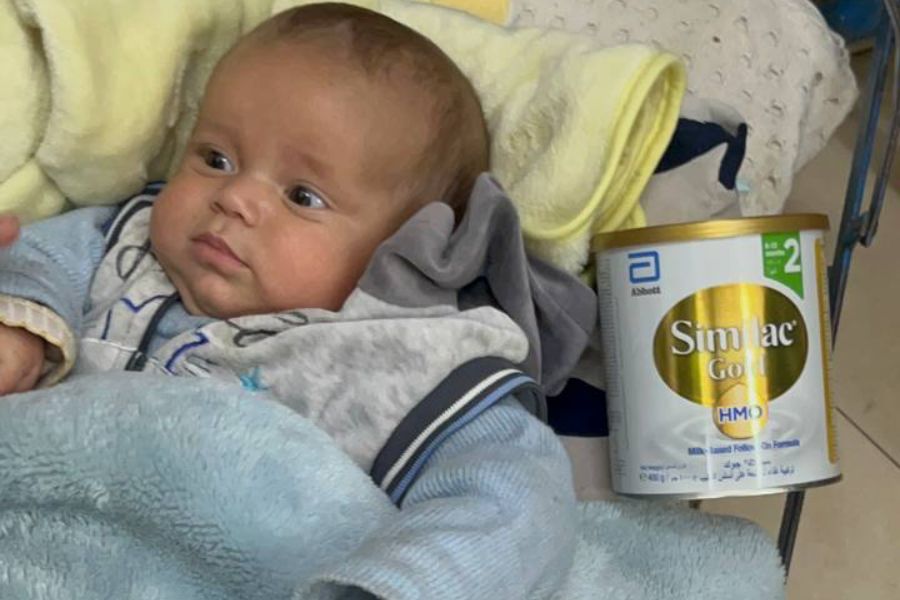
The Importance of the First 1,000 Days for Child Development
The first 1,000 days, spanning from conception through a child’s second birthday, represent a critical window for development. Nutrition during this period plays a foundational role in brain growth, immune system strength, and physical stature. Research shows that the structure and capacity of the brain largely develop during these early stages, making adequate nutrient intake essential for long-term health outcomes.
The brain requires nutrients such as proteins, omega-3 and omega-6 fatty acids, and various micronutrients to support rapid growth and complex neural connections. Concurrently, the immune system begins its maturation and relies on proper nutrition to build resilience against infections and illness. This critical period sets the stage for cognitive function, physical health, and overall development, underscoring why nutrition from conception to age two cannot be overlooked.
Medical Consequences of Poor Nutrition in Early Life
When a child experiences poor nutrition during these formative days, several medical consequences can arise, including stunting, weakened immunity, and delays in cognitive development. Stunting, defined as impaired growth and development due to chronic undernutrition, affects millions of children worldwide and has lasting effects on their physical and mental abilities.
Inadequate nutrition also compromises the immune system, increasing vulnerability to common childhood illnesses and infections which can further hinder growth and development. Cognitive delays may arise as key nutrients essential for brain development — such as iron, zinc, iodine, and vitamins B12 and D — are deficient or insufficient. Breast milk is considered optimal for infant nutrition because it supplies a balanced mix of these nutrients, alongside growth factors and immune-protective components. Suitable infant formula can serve as an alternative when breastfeeding is not possible, though supplemental micronutrients like iron and vitamin D are often recommended to prevent deficiencies during infancy. Source: NutritionCare.org
Challenges for Displaced Mothers in Providing Infant Nutrition
Mothers in displacement or crisis contexts face significant barriers to providing sufficient nutrition to their newborns and toddlers. Stressful living conditions and limited privacy can obstruct breastfeeding practices, while shortages or lack of access to infant formula compound the difficulties. Additionally, displaced families often struggle with the high costs of diapers and basic hygiene items, which are essential to maintain infant health but frequently remain unaffordable or unavailable.
These factors contribute to an increased risk of malnutrition and illness among infants in crisis zones, as mothers face constraints that prevent them from meeting their children’s dietary needs. The absence of these basic necessities disrupts normal caregiving routines and exacerbates the challenges of maintaining proper infant health and nutrition.
Effective Nutrition Programs for Newborns and Toddlers in Crisis Zones
Nutrition programs targeting newborns and toddlers in crisis settings focus on overcoming these obstacles by providing tailored support on the ground. These interventions often include supplying breast milk substitutes when necessary, distributing micronutrient supplements, and ensuring access to essential hygiene and feeding supplies.
Public health frameworks like the World Health Organization’s guidelines on infant and young child feeding in emergencies provide the foundations for these programs. They emphasise protecting breastfeeding wherever possible, supporting safe formula use when breastfeeding is not feasible, and promoting hygiene practices to reduce infection risks.
Such programs operate by partnering with local health providers and humanitarian agencies to monitor child growth, deliver nutritional aid, and educate caregivers on infant nutrition. Their holistic approach helps mitigate the effects of displacement and crisis on infant health, aiming to secure a strong start for children even under difficult circumstances. Source: World Health Organization
How Dar Al-Amanah Is Responding in Gaza
Nowhere is this need more urgent than in Gaza, where ongoing conflict has left countless families displaced, and where the most vulnerable — newborns and toddlers — are paying the heaviest price.
At Dar Al-Amanah, we are on the ground turning these principles into action. Through our Milk and Diapers for Newborns & Toddlers campaign, we are delivering formula milk and essential hygiene supplies directly to displaced Palestinian families who have no other means of meeting these basic needs. For mothers unable to breastfeed due to the stress, trauma, and harsh conditions of displacement, access to formula milk is not a luxury — it is a lifeline that protects their child’s brain development, immunity, and growth during those irreplaceable first 1,000 days.
Every tin of formula and every pack of diapers we provide is a step toward giving a child in Gaza the foundation they deserve — one that no conflict should be able to take away.
You can be part of this. Support our campaign and help us ensure that the youngest and most vulnerable lives in Gaza are not forgotten.
